
Over the last two weeks, DOSI Ambassadors have been at the United Nations Headquarters in New York City, attending the 3rd session of the BBNJ Preparatory Commission. The BBNJ Agreement is critically important for the conservation and sustainable use of marine life in areas beyond national jurisdiction, the vast majority of which is deep ocean. However, the language used in legal agreements and processes can present barriers to engagement, particularly for those with scientific backgrounds. Here is our snapshot guide to BBNJ PrepCom to help you dive deeper into the Agreement.
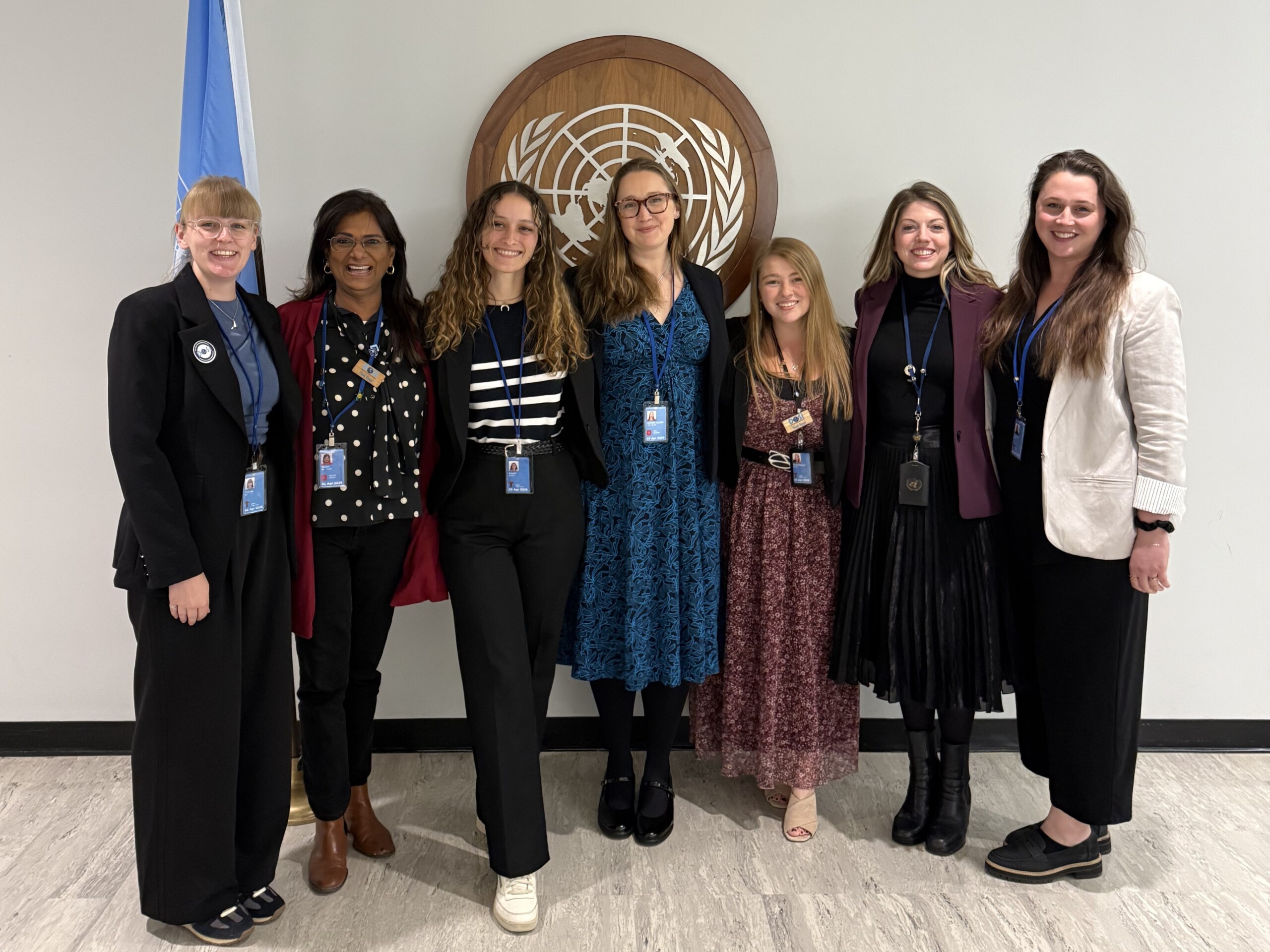
Members of the DOSI BBNJ Working Group at BBNJ Prep Com 3 (left to right: Elin Thomas, Judith Gobin, Shauna Edghill, Harriet Harden-Davies, Amelia Westmoreland, Christine Gaebel, Marina Garwood)
What is the BBNJ Agreement?
The Agreement under the United Nations Convention on the Law of the Sea on the Conservation and Sustainable Use of Marine Biological Diversity of Areas beyond National Jurisdiction (BBNJ Agreement) was adopted in June 2023 after nearly two decades of discussions and negotiations. It is the first international agreement specifically dedicated to conserving and sustainably using marine biodiversity in areas beyond national jurisdiction – an area that accounts for over 60% of the global ocean. The BBNJ Agreement entered into force on 17 January 2026 and has now moved into implementation stages. Find out more about the BBNJ Agreement in this short film.
What is PrepCom?
The Preparatory Commission (PrepCom) was established by the United Nations General Assembly following the adoption of the BBNJ Agreement. The work of the PrepCom aims to lay the foundation for the first Conference of the Parties (COP). The PrepCom comprises three two-week sessions, at which delegates discuss and negotiate key considerations for the design and implementation of the Agreement. This includes, among others, the rules, processes, and institutions that will support and enable the implementation of the BBNJ Agreement, including operationalising the Secretariat, the COP, subsidiary bodies, and other institutional arrangements, such as the Clearing-House Mechanism. Under its programme of work, the PrepCom also considers other issues, such as arrangements to enhance cooperation with other instruments, frameworks, and bodies (IFBs), reporting requirements, and, critically, financial rules and mechanisms.
What are the differences between PrepCom and COP?
The PrepCom is a preparatory phase but will not adopt formal decisions under the BBNJ Agreement. Instead, it facilitates discussions aimed at producing drafts and recommendations, which will then be put forward to the BBNJ COP at its first meeting. In this way, the PrepCom assembles the machinery required for the COP1, which, in turn, will take decisions that formally switch this machinery on. By providing structured, dedicated time for States to consider important issues for COP1, the PrepCom ensures delegates arrive at COP with workable texts rather than having to start from scratch. The first BBNJ COP is scheduled for January 2027 – one year after the Agreement entered into force.
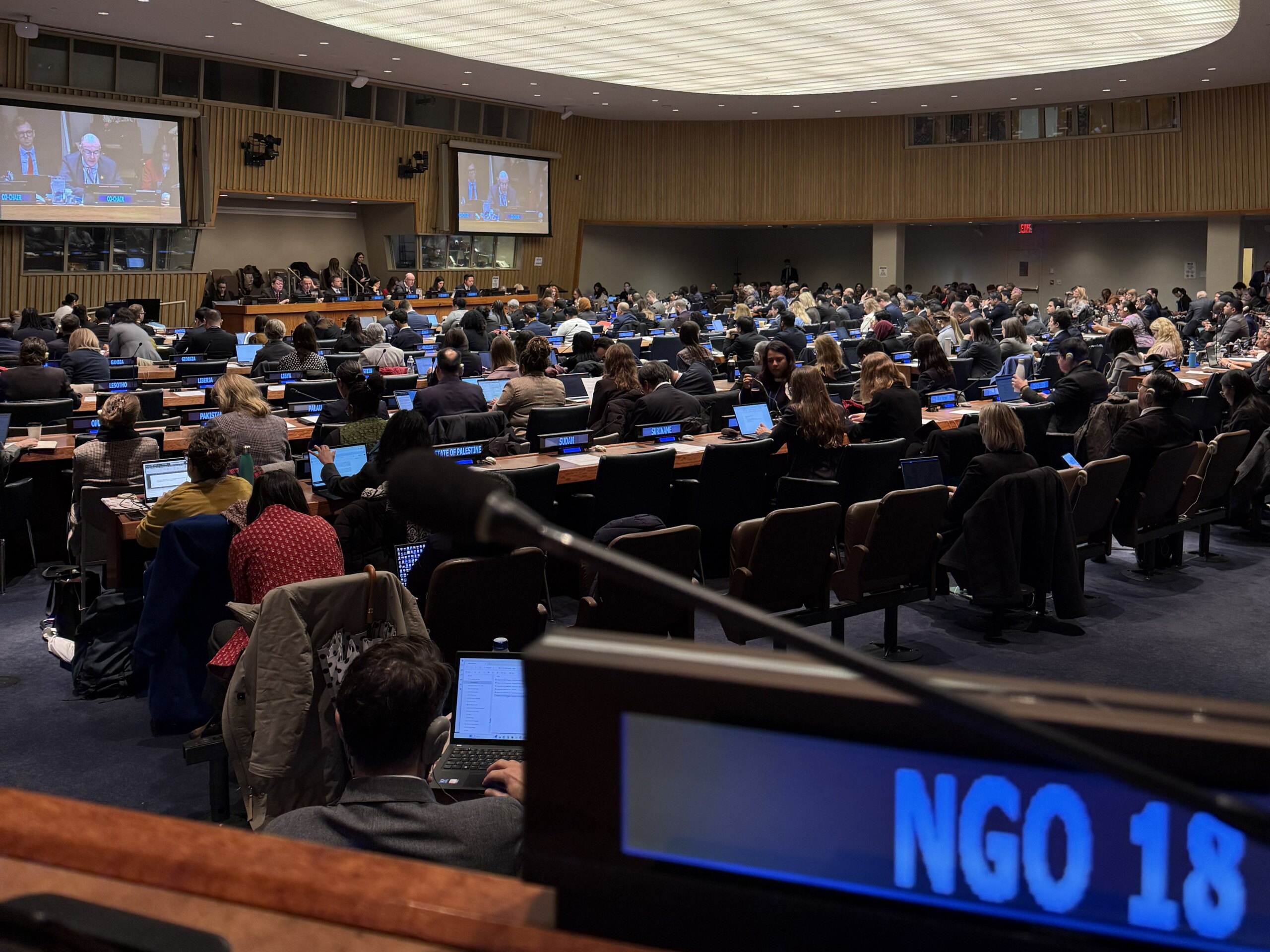
BBNJ PrepCom 3 in action – delegates engaging in active negotiation at the United Nations Headquarters
What’s on the agenda for PrepCom 3?
Delegates at PrepCom 3 have been working across several major areas.
Rules of Procedure (ROP) for the Conference of the Parties: A set of rules and guidelines that inform how the COP will operate, including the frequency and working arrangements of meetings, how it will make decisions, and wider matters such as participation of observers and non-Parties, among others. States have also been considering how these rules pertain to intersessional decision-making and extraordinary meetings of the COP and other bodies established under the BBNJ Agreement, as well as the availability of translation services for documents, resources, and meetings.
Terms of reference (TOR) and operational modalities for subsidiary bodies: Subsidiary bodies are sub-organs of the BBNJ Agreement established to support its implementation. Under the BBNJ Agreement, such subsidiary bodies include the Scientific and Technical Body, the Access and Benefit-Sharing Committee, the Capacity Building and the Transfer of Marine Technology Committee, the Finance Committee, and the Implementation and Compliance Committee. Delegates at PrepCom 3 have been discussing the terms of reference (often referred to as TORs) and other operational modalities for such bodies, which, in lay terms, include details on what each body will do and how, such as membership numbers and composition, expertise criteria, selection processes, meeting modalities, reporting, and more.
The Clearing-House Mechanism: The Clearing-House Mechanism (CHM) will serve as a centralised open-access platform to enable Parties to access, provide, and disseminate information, knowledge, and data related to the BBNJ Agreement. At PrepCom 3, delegations have been considering issues such as the CHM’s technical architecture (e.g. a centralised platform or a network of regional nodes), the core functions that should be prioritised (e.g. functions relating to marine genetic resources, capacity building and the transfer of marine technology, and environmental impact assessments), the timeframe for development, and critically, who will undertake such development.
Financial Resources: To achieve its objectives, the BBNJ Agreement establishes several funds under its financial mechanism, including a voluntary trust fund established by the COP, a special fund financed by annual Party contributions and other sources, and the Global Environment Facility (GEF) trust fund – a multilateral environmental fund established to support sustainable development initiatives in developing countries. PrepCom3 discussions include arrangements with the GEF and the operationalisation of the special fund and voluntary trust fund, as well as considerations pertaining to the Finance Committee, among others.
Arrangements for the Secretariat: Under the Agreement, the Secretariat will provide administrative and logistical support, including meeting reporting and meeting servicing for the COP and its subsidiary bodies, among other roles. The Division for Ocean Affairs and the Law of the Sea of the Office of Legal Affairs (DOALOS) currently performs these functions as the Interim Secretariat, until arrangements for the functioning of the secretariat are made. Three States have proposed hosting the secretariat of the BBNJ Agreement: Chile, China, and Belgium.
Other matters: Several additional cross-cutting issues have been considered by the PrepCom, including reporting mechanisms and arrangements to enhance cooperation and coordination with other instruments and frameworks (e.g. the Convention on Biological Diversity and other international legal agreements), as well as global, regional, and subregional bodies. Moreover, from across discussions, many cross-cutting themes have emerged. In this way, equity is a consistent theme that runs through many topics, including discussions of access, benefit sharing, representation, and participation. This has included in-depth dialogue on the composition of subsidiary bodies, with emphasis on the need for geographical representation, gender balance, and the meaningful participation of Small Island Developing States (SIDS), Least Developed Countries (LDC), and Indigenous Peoples and local communities.
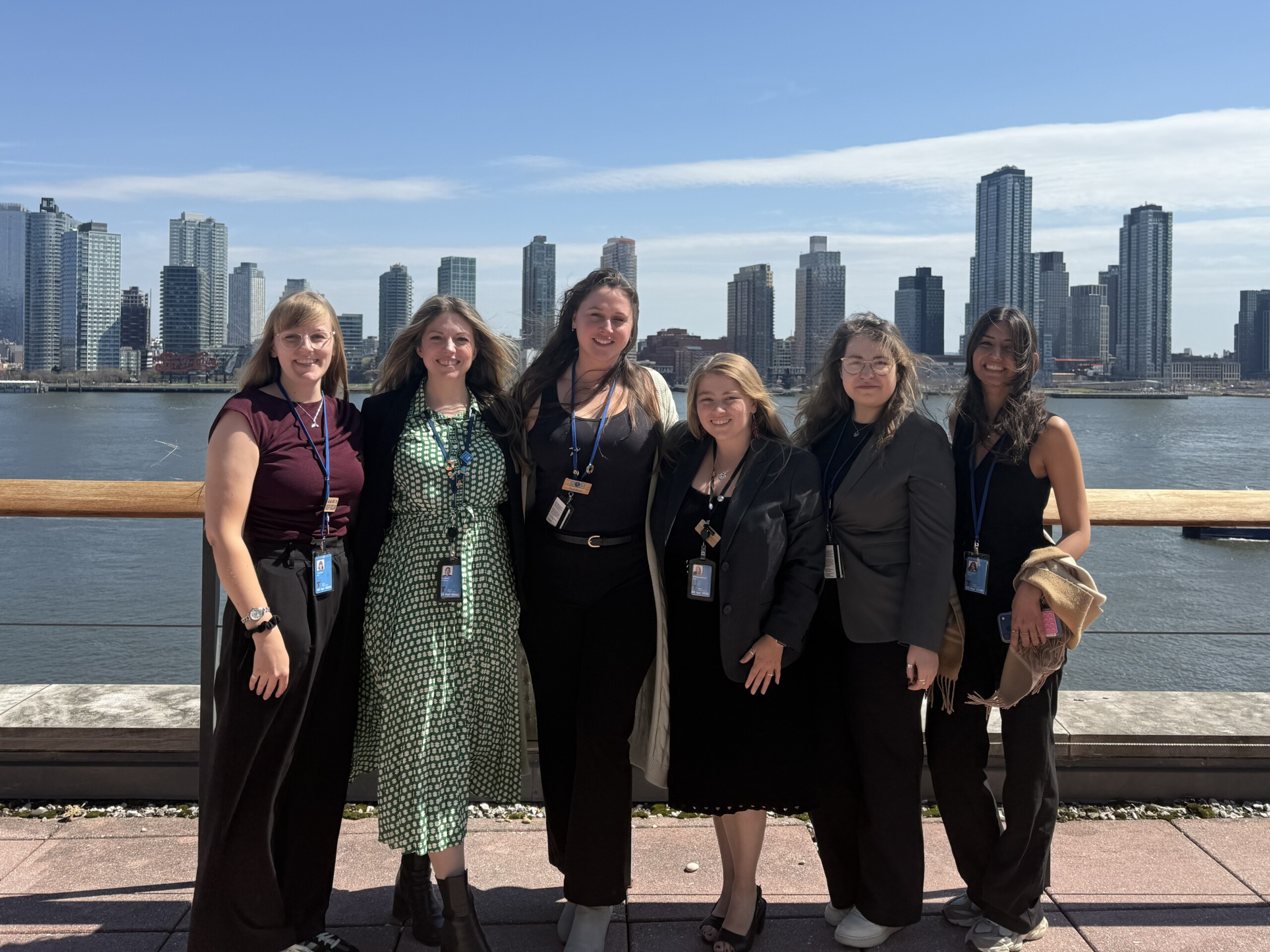
Members of the DOSI BBNJ Working Group at BBNJ Prep Com 3 (left to right: Elin Thomas, Christine Gaebel, Marina Garwood, Amelia Westmoreland, Lucy Tomkins, Eesha Rangani)
Why does this matter for deep ocean stewardship?
Areas beyond national jurisdiction account for over 60% of the global ocean, yet remain among the least understood environments on Earth. International cooperation in marine science and the governance of these remote areas is critical for ocean stewardship. The BBNJ Agreement establishes, for the first time, a comprehensive legal framework specifically dedicated to conservation and sustainable use of BBNJ, including environmental impact assessments, area-based management tools, the fair sharing of benefits derived from activities relating to marine genetic resources, and capacity-building and the transfer of marine technology. But how well these provisions work in practice is influenced by the institutions established, designed, and implemented under the Agreement. The Scientific and Technical Body, for example, will be the primary institutional channel through which scientific information and knowledge will inform decision-making. Its composition, the expertise it draws on, and how it operates will have direct implications for the science and knowledge it puts forward to decision-makers, thereby influencing how deep-ocean research can meaningfully support and shape sustainable ocean governance.
Prepared by DOSI Ambassadors at PrepCom 3: Elin Thomas*, Amelia Westmoreland*, Christine Gaebel*, Shauna Edghill, Lucy Tomkins, Marina Garwood.
*equal contributors