Over the last two weeks, DOSI Ambassadors have been at the United Nations Headquarters in New York City, attending the 3rd session of the BBNJ Preparatory Commission. The BBNJ Agreement is critically important…


Over the last two weeks, DOSI Ambassadors have been at the United Nations Headquarters in New York City, attending the 3rd session of the BBNJ Preparatory Commission. The BBNJ Agreement is critically important…
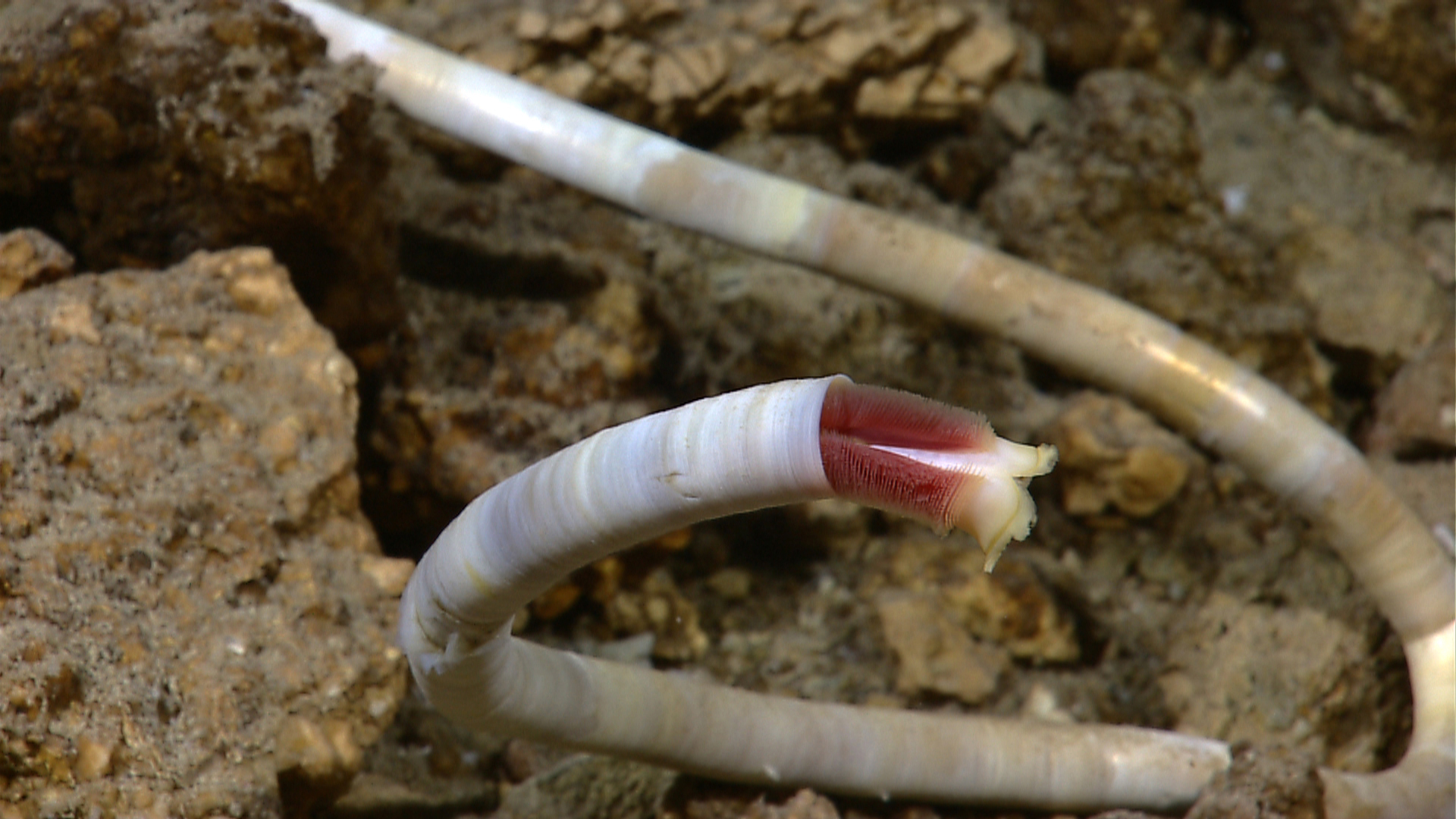
Close-up image showing a live tubeworm at the Von Damm hydrothermal field, on the Mid-Cayman Rise. While tubeworms are some of the most iconic animals to have been discovered at vent fields in…
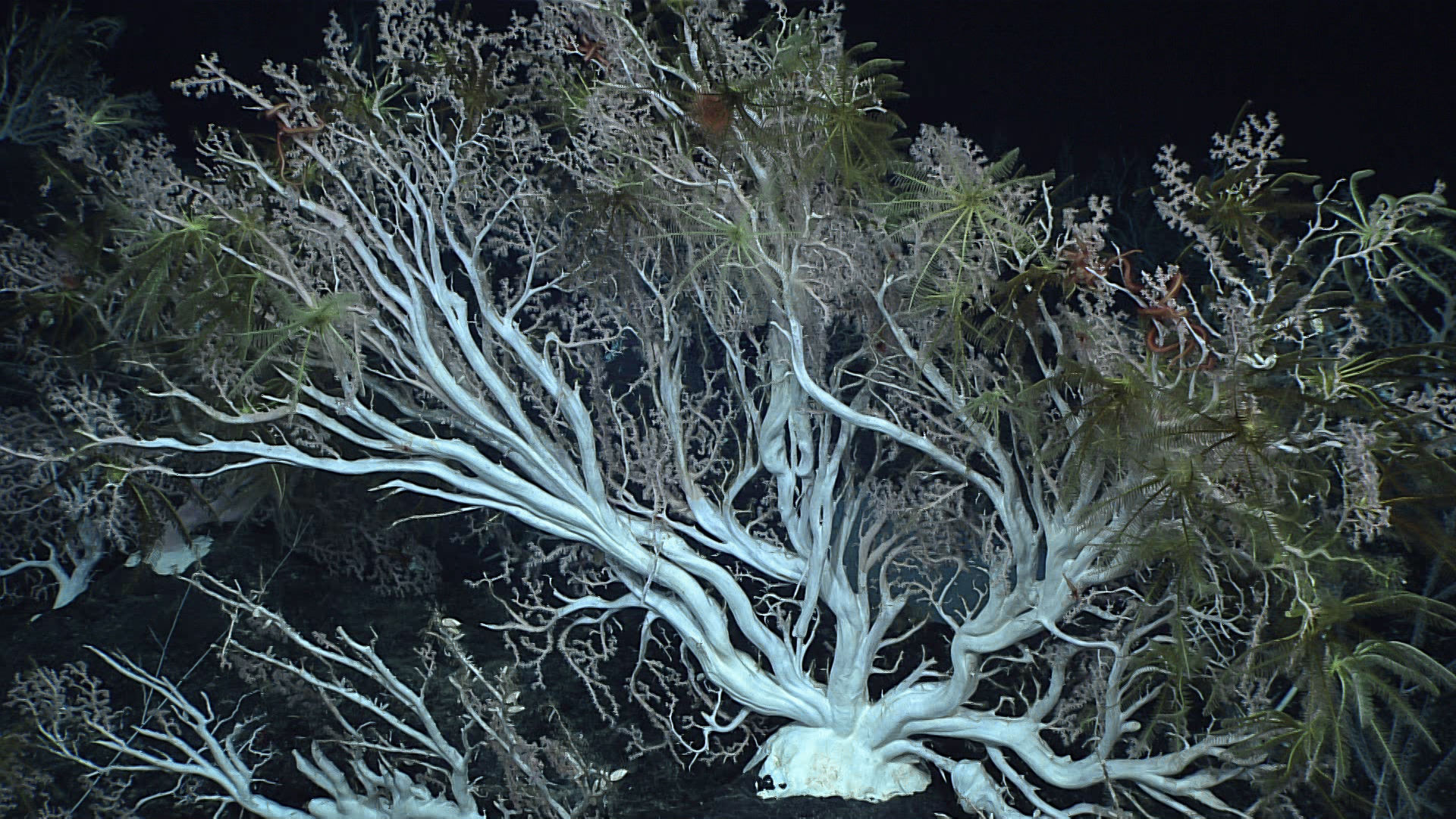
This pink coral (Hemicorallium sp.) observed at ~1,654 m had a base approximately 18 cm wide, indicating a particularly old colony. Image courtesy of the NOAA Office of Ocean Exploration and Research, Deep-Sea Symphony:…
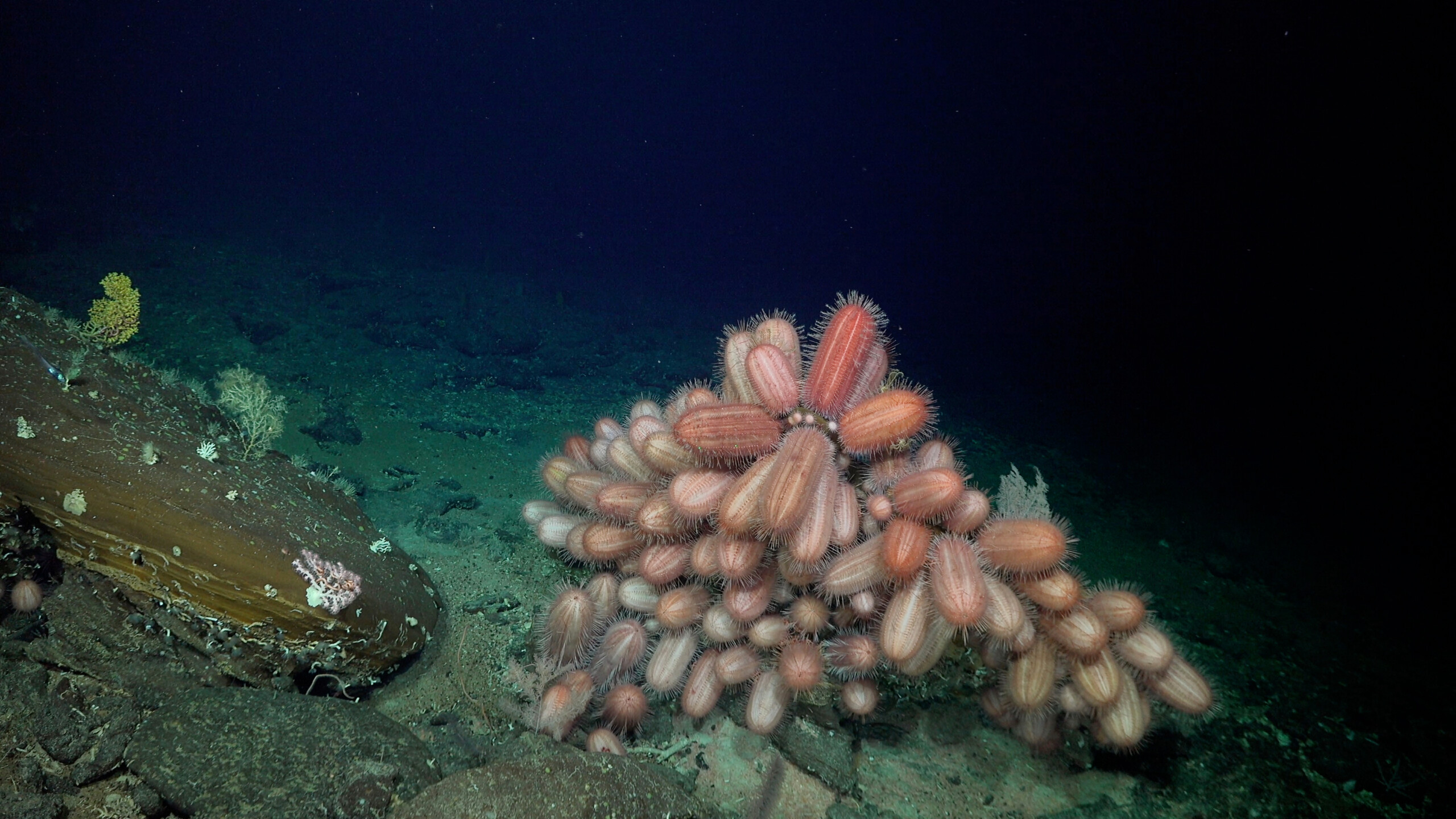
Oblong Dermechinus urchins cover a boulder at 516 m on Seamount JF2, off the coast of Chile. Image courtesy of ROV SuBastian / Schmidt Ocean Institute. This week: Vulnerable Marine Ecosystems at seamounts, how scientific…
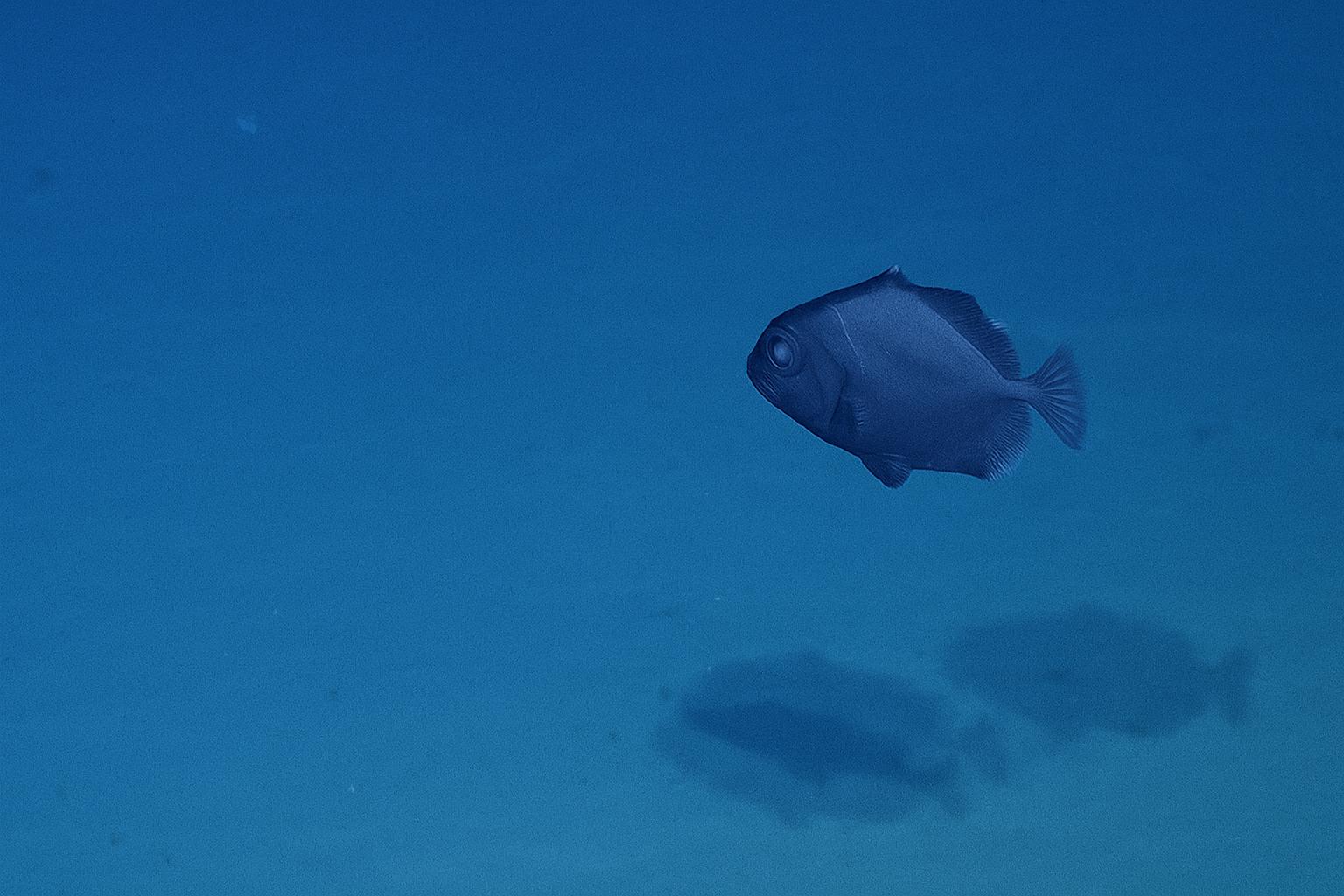
This is a specimen of Allocyttus verrucosus, a species widely distributed in the Southern Ocean and usually found between depths of 800-1,200 m. It was captured during an ROV dive conducted to inspect…
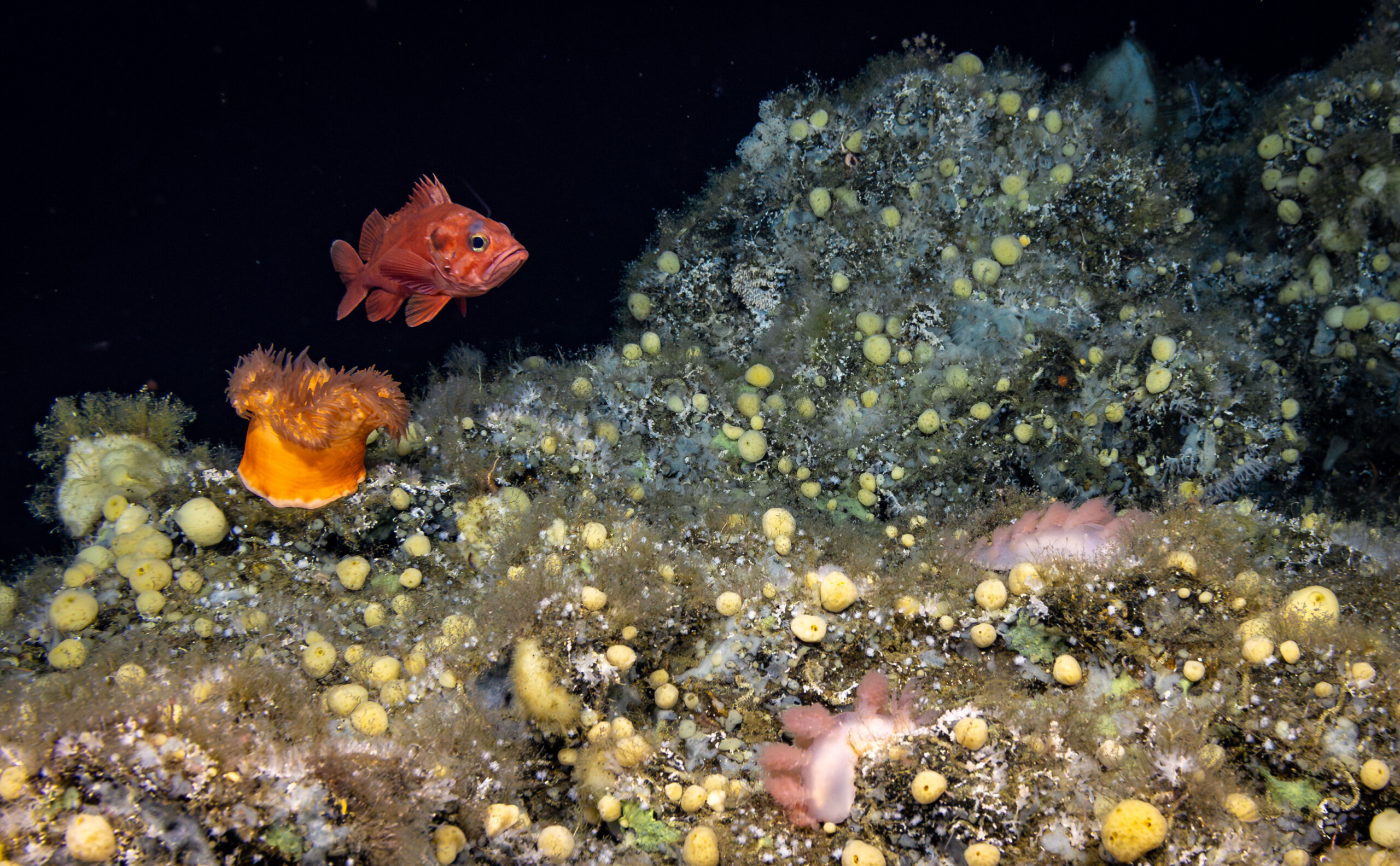
In this scene from the Gulf of Alaska’s Surveyor Seamount, a red rockfish swims over basalt boulders covered in encrusting sponges and other invertebrates, including a bright orange anemone and two large, pink…
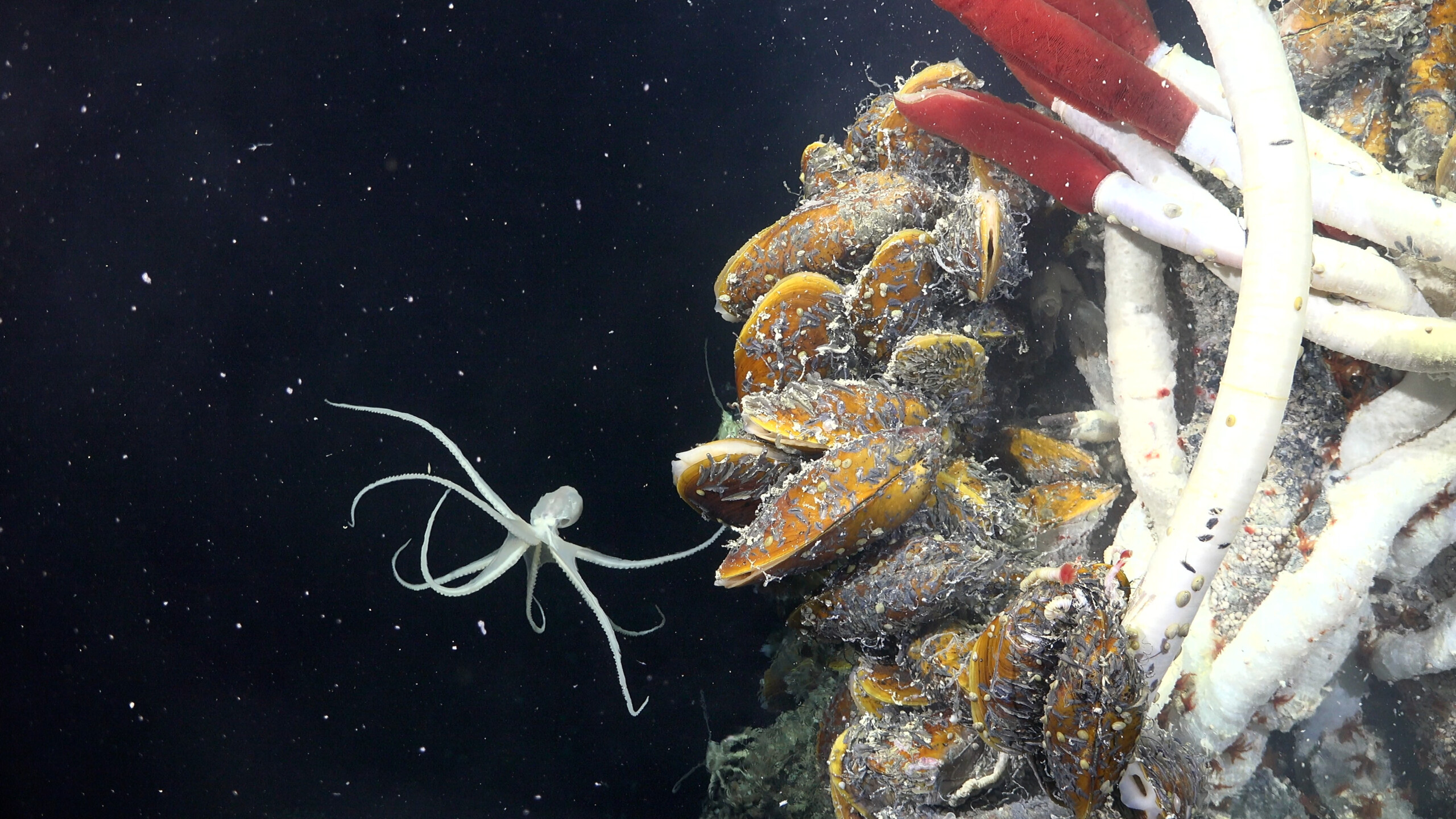
A Vulcanoctopus (a small benthic octopus endemic to hydrothermal vents) is seen near muscles and tubeworms near Tica Vent on the East Pacific Rise 2,500 m deep. Image courtesy of ROV SuBastian /…
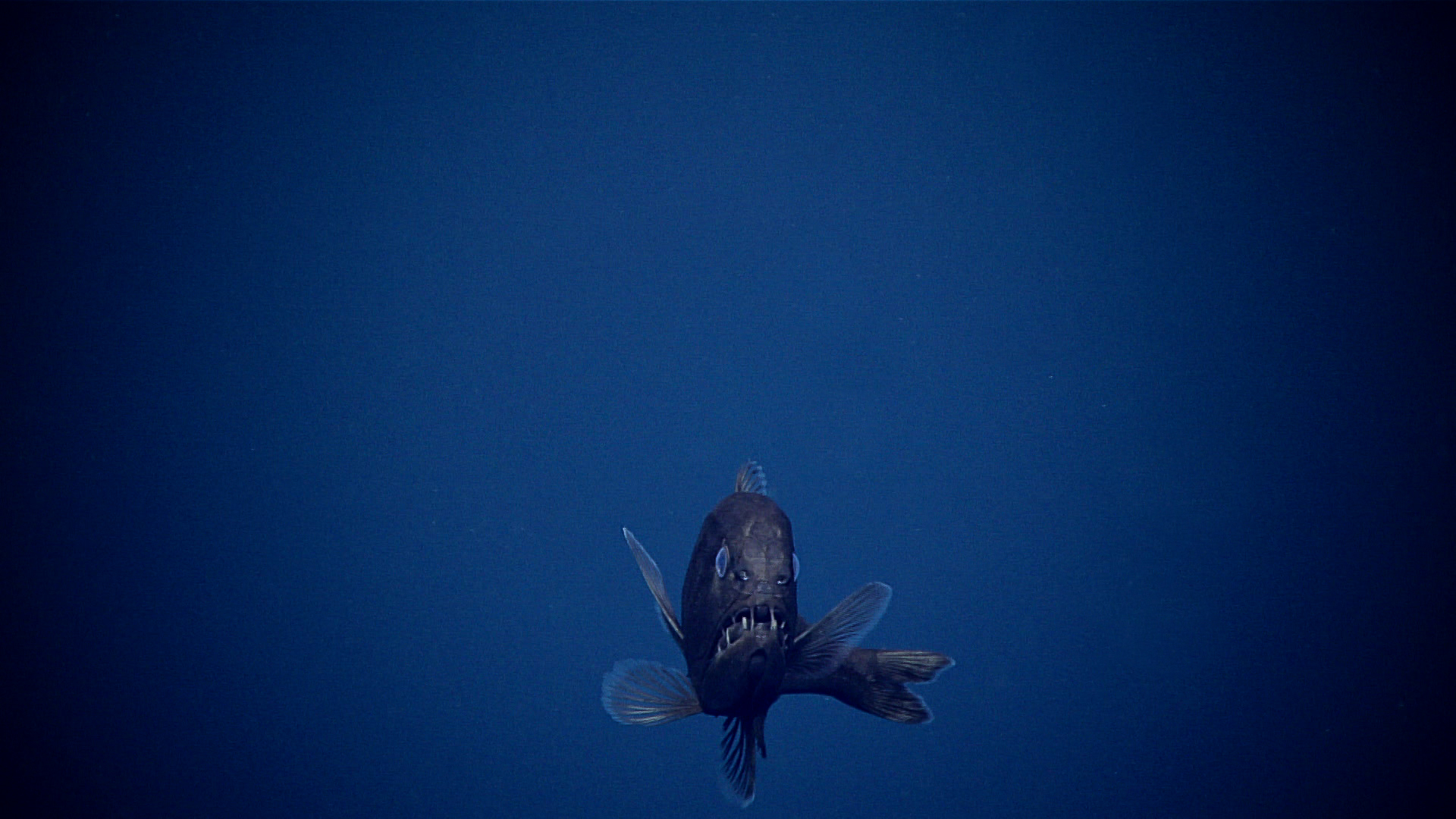
A portrait of a fangtooth fish. This exciting observation was made at 800 m during the 2017 Deep-Sea Symphony: Exploring the Musicians Seamounts cruise. Image courtesy of the NOAA Office of Ocean Exploration and Research.…